The creative work was never the hard part. It was everything around it. Files too big for email. Feedback arriving as a text at 11pm. Project details scattered across folders, threads, and memory. One client lived in email, another in shared drives, another in DMs — and just keeping it all straight had quietly become a second job on top of the first.
So a freelancer who’d built a few websites built a small one for his own clients: a single place where they could see the project, find their files, review the work, leave notes, and know what was going on without digging through old messages. It worked. Clients stopped asking where things were, and he stopped playing switchboard.
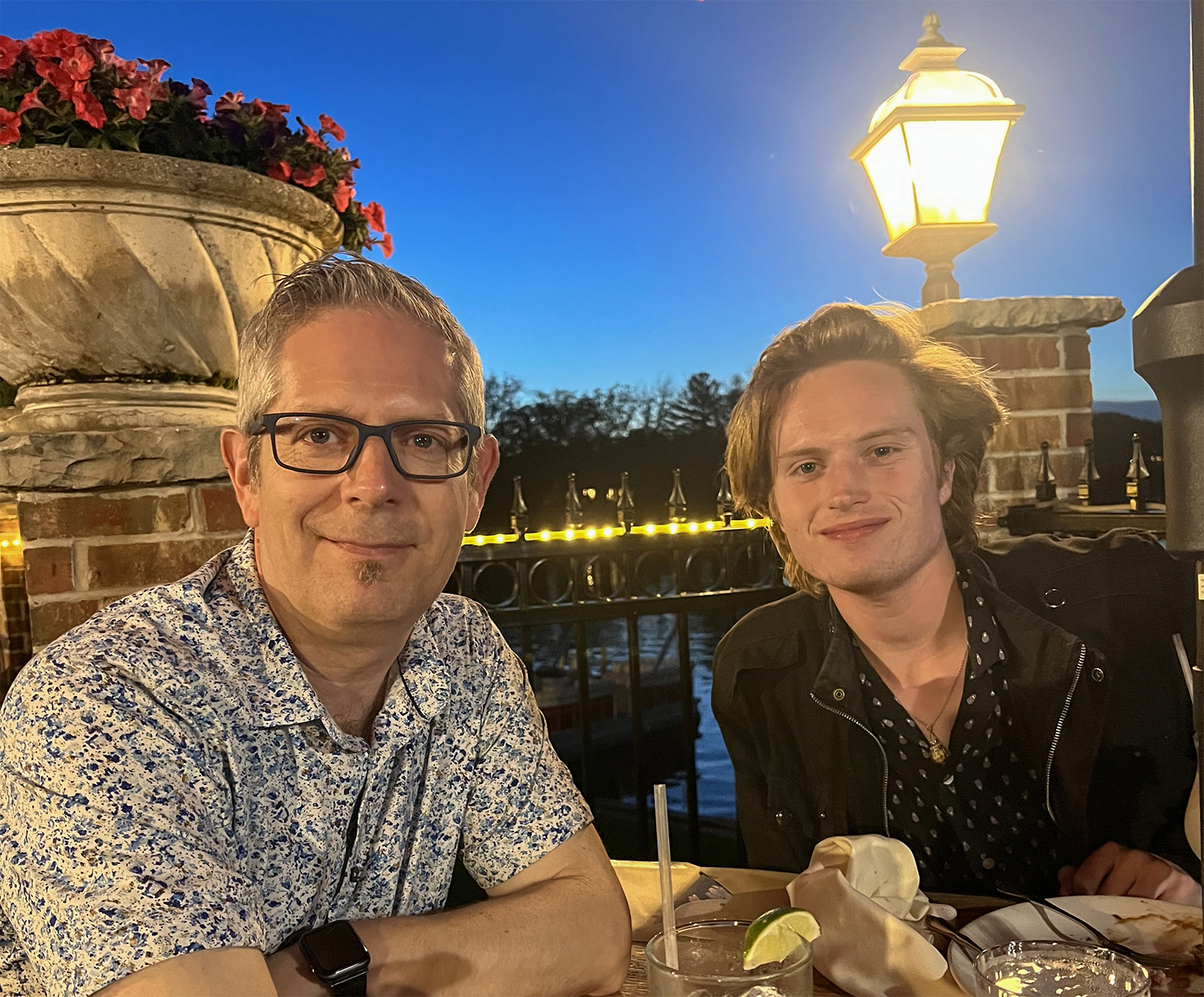
Then his son came home from college for the summer, wanting to pick up some freelance work of his own. He liked what his dad had built, but he could also see what would make it more useful for the way he wanted to work.
He wanted to pull his friends into projects so they could work together. He also wanted it to feel like his business, not his dad’s — his own name, his own colors, his own identity, with a client portal he could link directly from his own website. Those two small asks changed the whole idea. What began as a better experience for a handful of clients started turning into a workspace other creatives could make their own.
It was never about a shortage of software. There’s plenty — great tools for managing projects, sending big files, messaging, reviewing work, finding freelancers, getting paid. The trouble is creative work usually needs all of them at once, and every extra tool is another login, another place to check, another handoff, another piece of the project living somewhere you have to go find it.
So Projunity grew around a different question: what if those pieces actually belonged together? Not just projects and tasks, but the people, the clients, the files, the deliverables, the reviews, the conversations, the invoices and the payments — one connected place built around how creative work really moves from person to person.
That’s what Projunity is building — for freelancers, studios, production teams, and everyone they work with. Somewhere the operational side of creative work stays handled without quietly becoming the work itself.